
Best EHR for Outpatient and Long-Term Care: Why One Size Doesn’t Fit All
Introduction – The Evolving Needs of Outpatient and Long-Term Care


Introduction – The Evolving Needs of Outpatient and Long-Term Care

Introduction – Why Mental Health Providers Need the Best EHR

Introduction – Why a Top Rated EHR Software Matters in

Introduction – Why Mental Health EHR Software Is More Important
Introduction – Bridging the Gap Between Care and Technology The

The Unique Needs of Eating Disorder Treatment Programs Complexity of

Patient engagement in behavioral health is a cornerstone of success,

With the rapid growth of technology, telehealth technology has emerged

In today’s healthcare system, managing payments and reimbursements is a

Are you looking for ways to improve patient engagement in
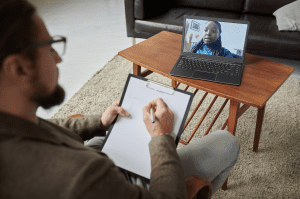
Telehealth technology has revolutionized the way mental healthcare is delivered, providing convenient and accessible options for patients to receive the care they need. With the rapid growth of technology, telehealth has emerged as a powerful tool in improving access to mental healthcare services. Patients can now connect with their therapists or psychiatrists through video conferencing, phone calls, or secure messaging, eliminating barriers such as transportation and wait times.
Moreover, telehealth has shown to drive better outcomes by increasing patient engagement and adherence to treatment plans. By leveraging data-informed patient engagement methods, healthcare providers can tailor their approach to meet the unique needs of each individual. As telehealth continues to evolve, it opens up new possibilities for improving mental healthcare delivery and reaching more patients in need of support.
Telehealth technology has revolutionized the way mental healthcare is delivered, providing convenient and accessible options for patients to receive the care they need. With the rapid growth of technology, telehealth has emerged as a powerful tool in improving access to mental healthcare services. Patients can now connect with their therapists or psychiatrists through video conferencing, phone calls, or secure messaging, eliminating barriers such as transportation and wait times.
Moreover, telehealth has shown to drive better outcomes by increasing patient engagement and adherence to treatment plans. By leveraging data-informed patient engagement methods, healthcare providers can tailor their approach to meet the unique needs of each individual. As telehealth continues to evolve, it opens up new possibilities for improving mental healthcare delivery and reaching more patients in need of support.