

Addiction Treatment
Treating the Growing Mental Health Pandemic Post-COVID
Over the last few months, we have seen COVID rates

Over the last few months, we have seen COVID rates
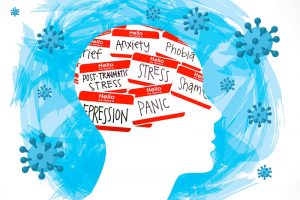
With the COVID-19 pandemic well into its second year, many
The COVID-19 pandemic has brought about a significant increase in mental health challenges worldwide. As we navigate through the aftermath of the pandemic, it is crucial to address the growing mental health crisis and provide necessary support and resources to those in need.
From anxiety and depression to PTSD and substance abuse, the effects of the pandemic on mental health are far-reaching. It is essential for healthcare providers, policymakers, and communities to come together to develop comprehensive strategies for addressing these issues and ensuring access to quality mental health care for all individuals.
As we transition into a new phase post-COVID, it is important to consider how mental health care has evolved and adapted to the changing landscape. Telehealth services, online support groups, and virtual therapy sessions have become more prominent, providing individuals with convenient access to mental health resources from the comfort of their own homes.
However, it is also essential to recognize the ongoing stigma surrounding mental health issues and work towards promoting a culture of acceptance and understanding. By fostering open conversations and increasing awareness, we can create a more supportive environment for those struggling with mental illness and encourage them to seek help without fear of judgment.