Latest Trends in Healthcare Industry
As the healthcare industry continues to evolve, it is crucial for professionals to stay up-to-date with the latest trends. From patient engagement tools to new EHR solutions, the industry is constantly changing to meet the needs of patients and providers alike. Keeping abreast of these trends can help healthcare organizations improve their services and stay competitive in the market.
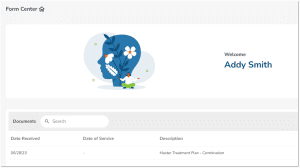
One of the key trends in healthcare is the focus on enhancing patient engagement. With the rise of telehealth and mobile health apps, patients now have more ways to connect with their care team and take an active role in their health. Healthcare organizations are increasingly investing in patient engagement tools to improve communication, streamline processes, and ultimately enhance the patient experience.
The Impact of Opioid Epidemic on Healthcare
The opioid epidemic has had a significant impact on the healthcare industry, leading to increased focus on addiction treatment and mental health services. Shows like "Painkiller" on Netflix shed light on the origins of this epidemic and the devastating effects it has had on communities across the USA. By raising awareness about the opioid crisis, healthcare providers can better understand the challenges they face and work towards finding solutions to combat this issue.
Furthermore, recent developments in the distribution of opioid settlement payouts to local governments highlight the need for transparency and accountability in the industry. By examining how these funds are being dispersed, healthcare organizations can learn from past mistakes and take proactive steps to prevent future crises. It is essential for stakeholders in the healthcare industry to collaborate and work together to address the complex issues surrounding the opioid epidemic.
Latest Trends in Healthcare Industry
As the healthcare industry continues to evolve, it is crucial for professionals to stay up-to-date with the latest trends. From patient engagement tools to new EHR solutions, the industry is constantly changing to meet the needs of patients and providers alike. Keeping abreast of these trends can help healthcare organizations improve their services and stay competitive in the market.
One of the key trends in healthcare is the focus on enhancing patient engagement. With the rise of telehealth and mobile health apps, patients now have more ways to connect with their care team and take an active role in their health. Healthcare organizations are increasingly investing in patient engagement tools to improve communication, streamline processes, and ultimately enhance the patient experience.
The Impact of Opioid Epidemic on Healthcare
The opioid epidemic has had a significant impact on the healthcare industry, leading to increased focus on addiction treatment and mental health services. Shows like "Painkiller" on Netflix shed light on the origins of this epidemic and the devastating effects it has had on communities across the USA. By raising awareness about the opioid crisis, healthcare providers can better understand the challenges they face and work towards finding solutions to combat this issue.
Furthermore, recent developments in the distribution of opioid settlement payouts to local governments highlight the need for transparency and accountability in the industry. By examining how these funds are being dispersed, healthcare organizations can learn from past mistakes and take proactive steps to prevent future crises. It is essential for stakeholders in the healthcare industry to collaborate and work together to address the complex issues surrounding the opioid epidemic.